Li vedo ovunque.
IT. Difficilmente torno a casa senza foto, anche da lontano, ma uno scatto anche solo per documentare la presenza lo porto a casa. Quindi sì, la poiana era al suo solito posto. Sono convinto che quello sia il suo ramo preferito: 7/10 volte la vedo posata lì. L’unico aspetto negativo di quell’albero è la posizione. Una provinciale molto trafficata da aspiranti piloti di F1 taglia in due la campagna, creando una frattura netta tra il punto più sicuro per l’osservazione e quello più concreto per una fotografia nitida.
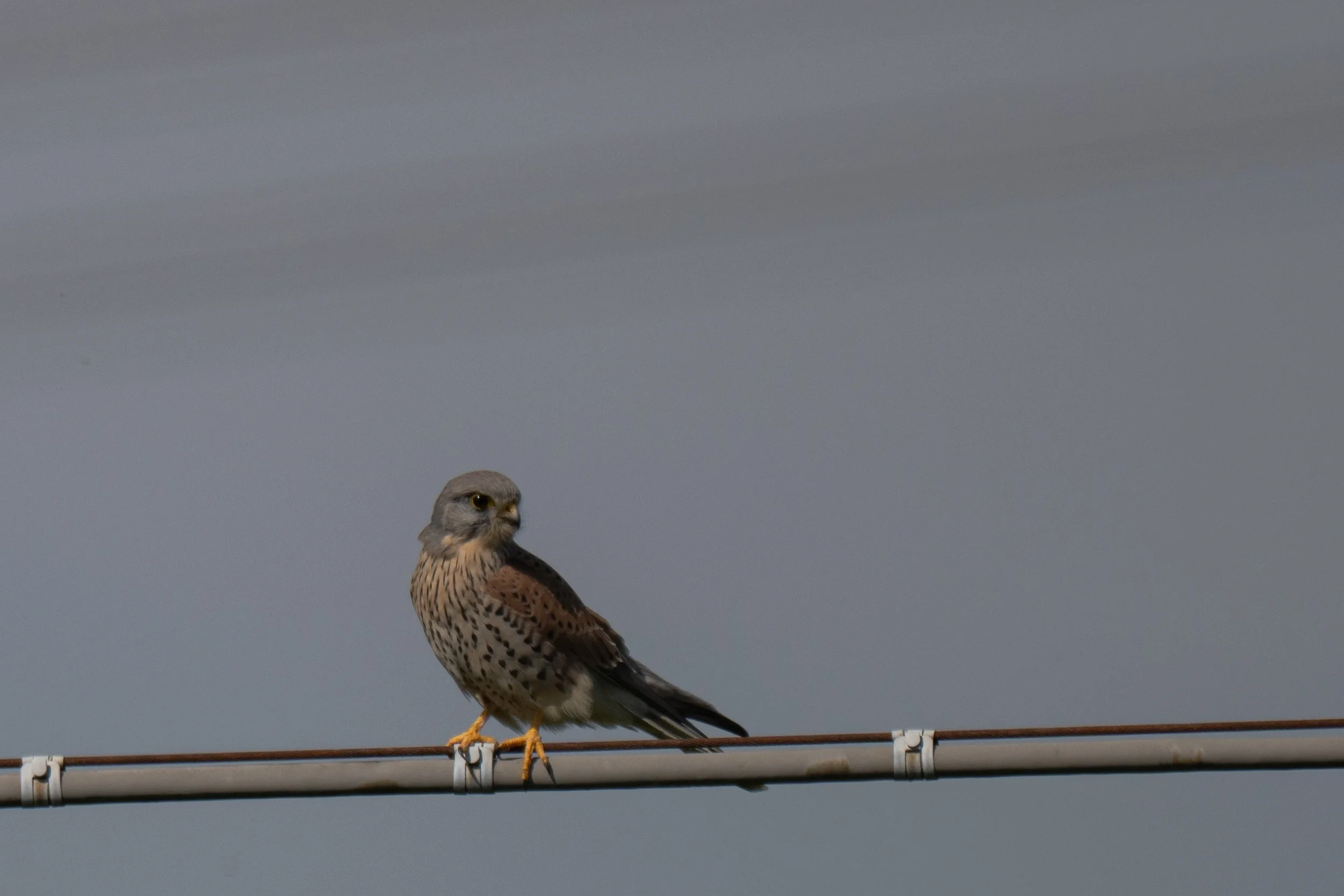
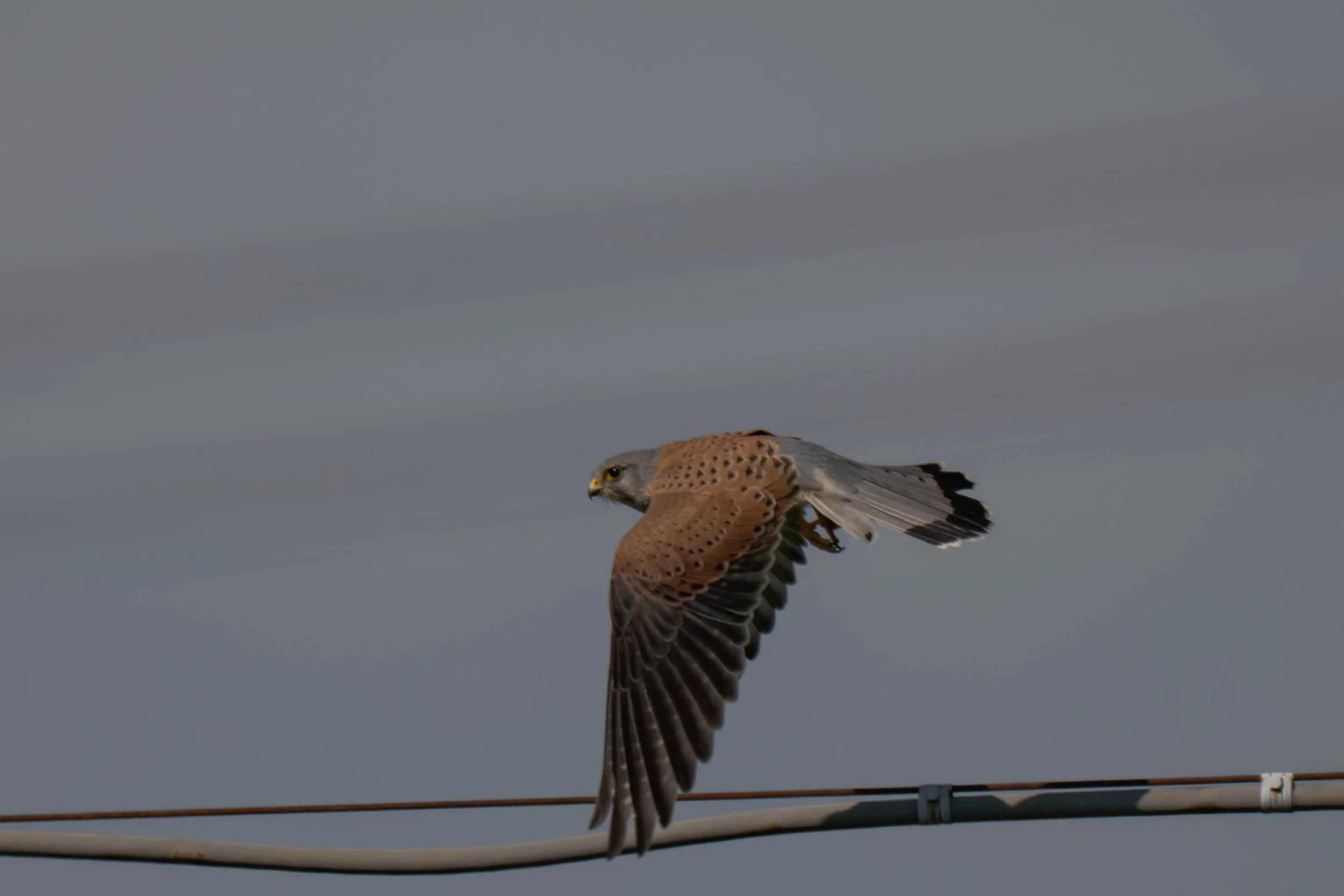
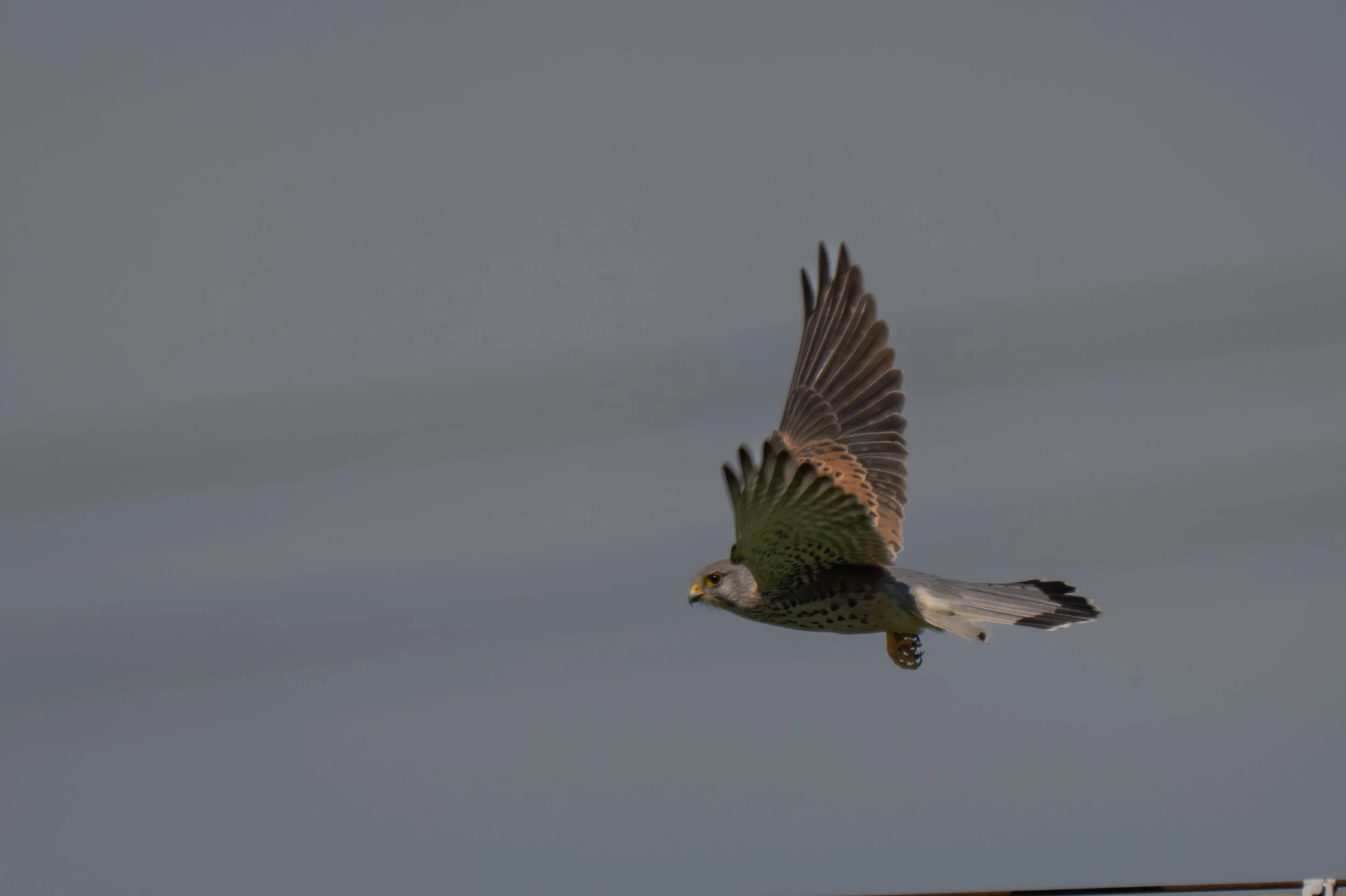
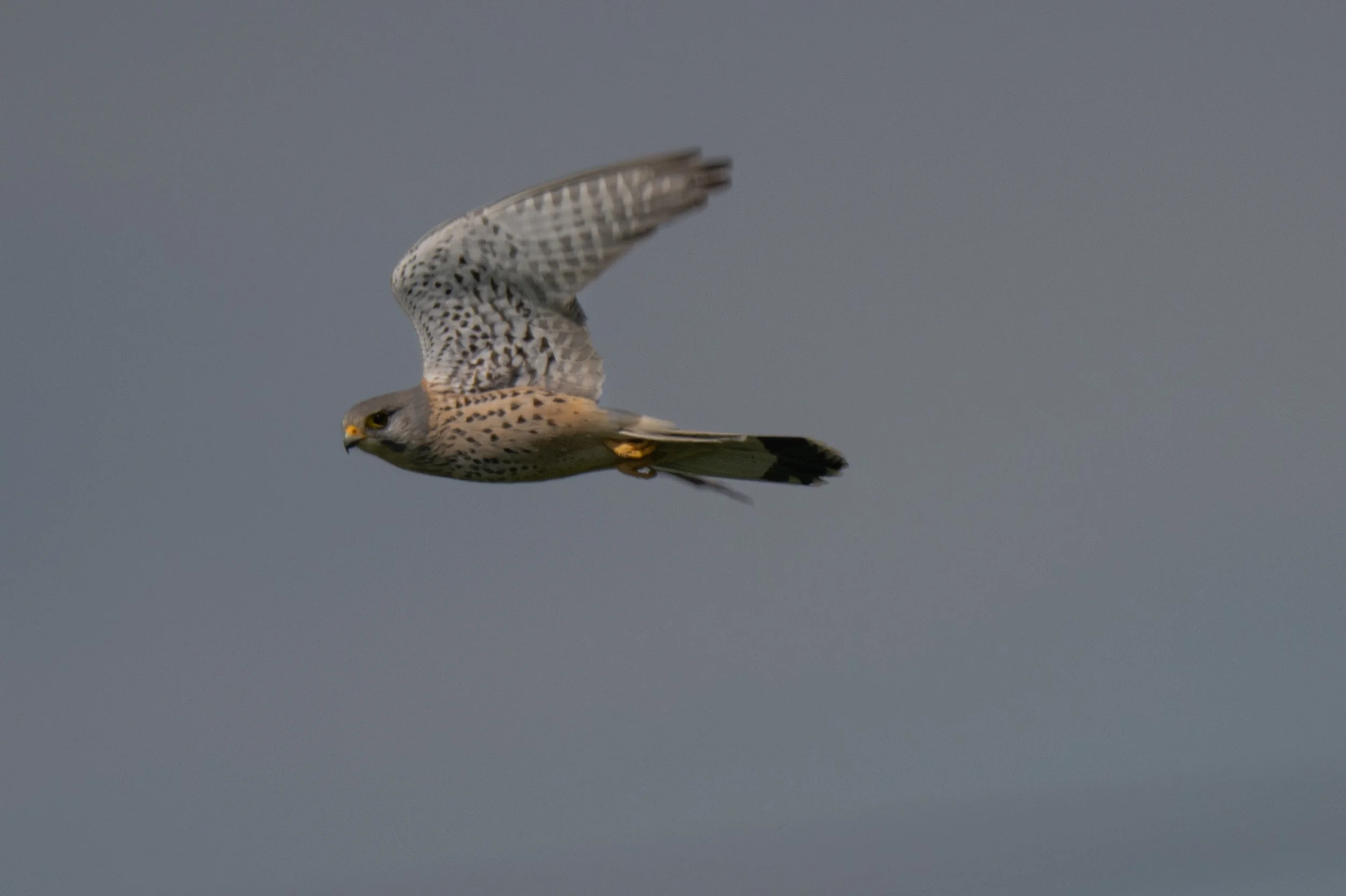
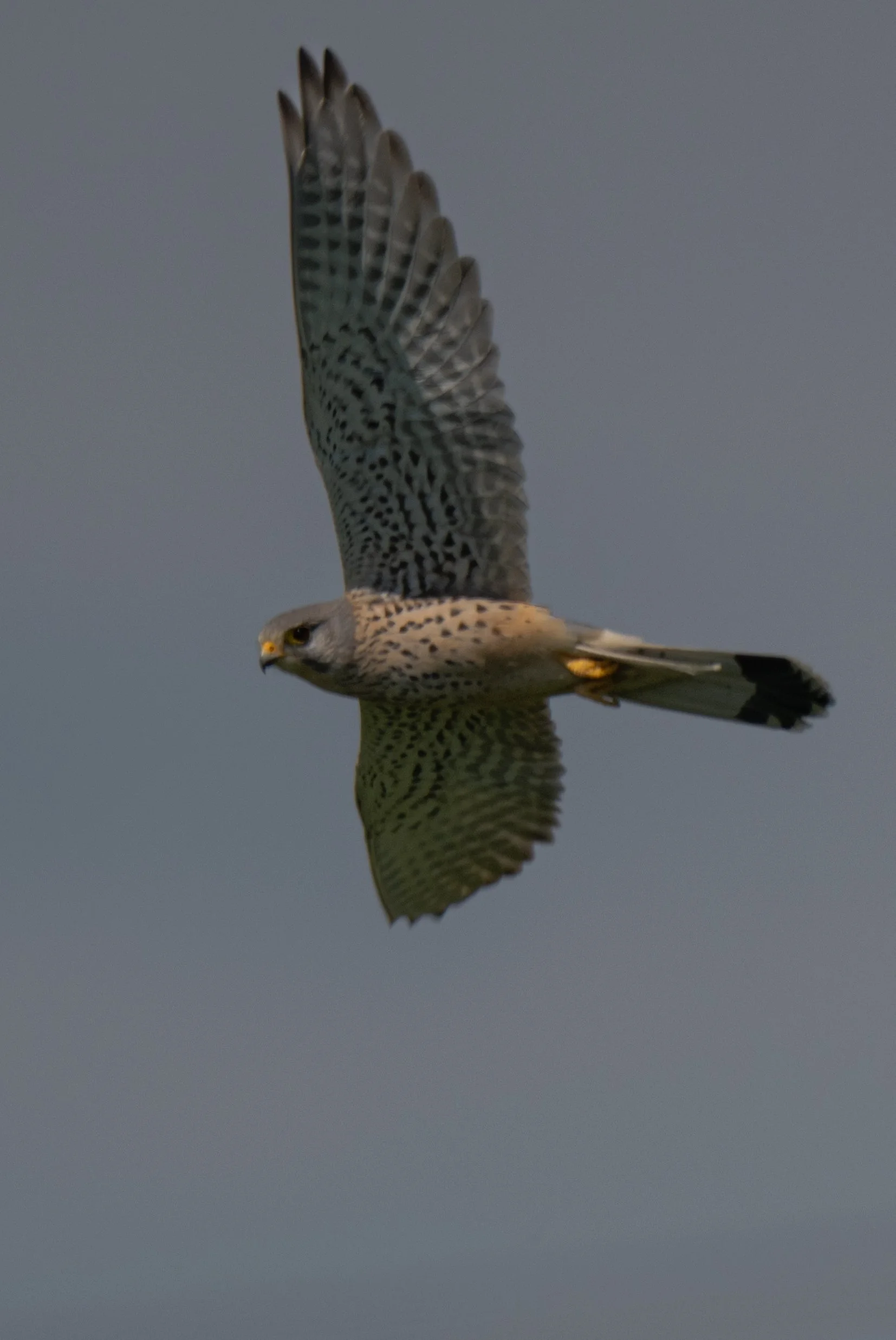
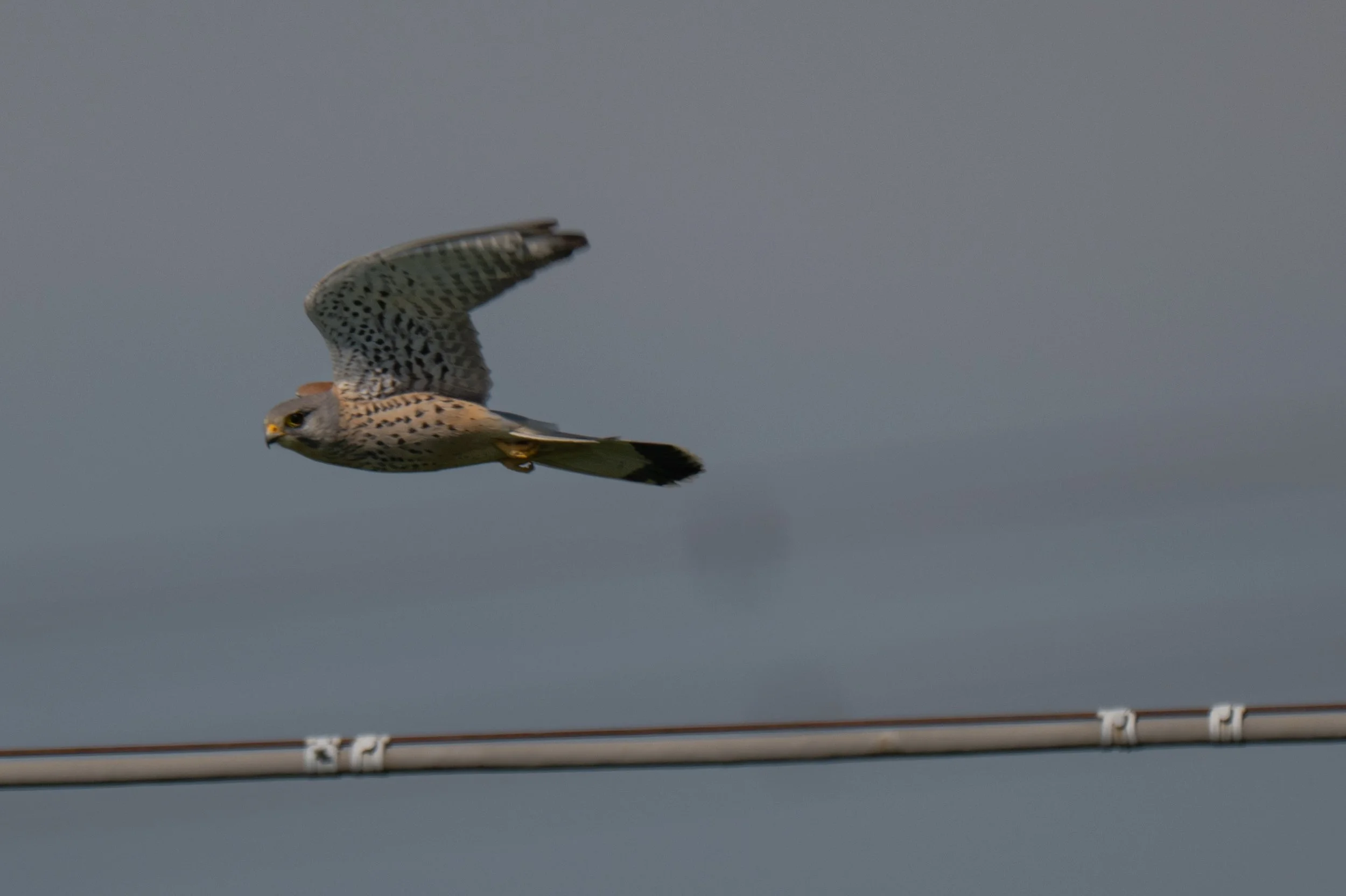
Quindi, dopo un’ora circa di inseguimento video mentre era in volo, ho deciso di deviare la macchina in direzione Sud/Est e cercare il gheppio scovato il giorno prima. Come immaginavo, arrivando era nell’area, non sullo stesso palo, ma su quello del lato opposto; ma a differenza delle poiane, non è in pericolo che imitatori di Max Verstappen mi si presentino all’improvviso con le loro velocissime auto.
Alessandro
Le immagini seguenti sono il risultato di scatti realizzati con Nikon Z9 e ottica 180–600 mm.
EN.I rarely come home without photos. Even from a distance, I always manage to get at least one shot, even just to document the presence. So yes, the buzzard was in its usual spot. I’m convinced that’s its favorite perch: 7 times out of 10 I see it resting there. The only downside of that tree is its location. A very busy provincial road, filled with aspiring F1 drivers, cuts the countryside in half, creating a clear divide between the safest observation point and the most effective position for a sharp photograph.
So, after about an hour of filming while it was in flight, I decided to drive southeast and look for the kestrel I had spotted the day before. As expected, when I arrived it was in the area—not on the same pole, but on the one on the opposite side. Unlike the buzzards, however, there’s no risk of Max Verstappen imitators suddenly showing up with their extremely fast cars.
Alessandro
The following images are the result of shots taken with a Nikon Z9 and a 180–600 mm lens.